How Whispalert Helps Increase Bully Reporting
Did you know that 40% of bullying incidents go unreported in schools? This alarming statistic reveals a critical gap in our approach to student safety. When incidents aren't reported, they can't be addressed, creating an environment where bullying persists and escalates.
Bullying remains one of the most persistent challenges facing schools today. Despite increased awareness and anti-bullying programs, many incidents continue to occur in silence. The reasons are complex: students fear retaliation, worry about being labeled as "snitches," or simply don't know how to report safely and effectively.
The Barriers to Reporting
Understanding why students don't report bullying is crucial to addressing the problem. Research has identified several key barriers that prevent students from speaking up:
Fear of Retaliation
The most common reason students don't report bullying is fear that the situation will get worse. They worry that the bully will target them more aggressively if they find out about the report. This fear is often justified, as traditional reporting methods can make it easy for bullies to identify who reported them.
Social Stigma
Many students worry about being seen as a "tattletale" or "snitch" by their peers. This social pressure can be particularly strong in environments where there's a culture of handling problems independently or where reporting is seen as weakness.
Lack of Trust in the System
Students may have experienced or witnessed ineffective responses to previous reports. If they've seen bullying reports ignored or handled poorly, they're less likely to come forward themselves.
Complicated Reporting Processes
Traditional reporting methods often require students to approach teachers or administrators directly, which can feel intimidating. The process may seem formal, scary, or time-consuming, deterring students from using it.
How Whispalert Breaks Down These Barriers
Whispalert was designed specifically to address these barriers and create an environment where students feel safe and empowered to report incidents. Here's how our platform tackles each challenge:
Anonymous Reporting Options
Whispalert allows students to submit reports completely anonymously if they choose. This eliminates the fear of retaliation because bullies can't identify who made the report. Students can share crucial information without putting themselves at risk.
Key Feature: Students can choose to remain completely anonymous, ensuring they never feel pressured to reveal their identity.
Easy Access Through QR Codes
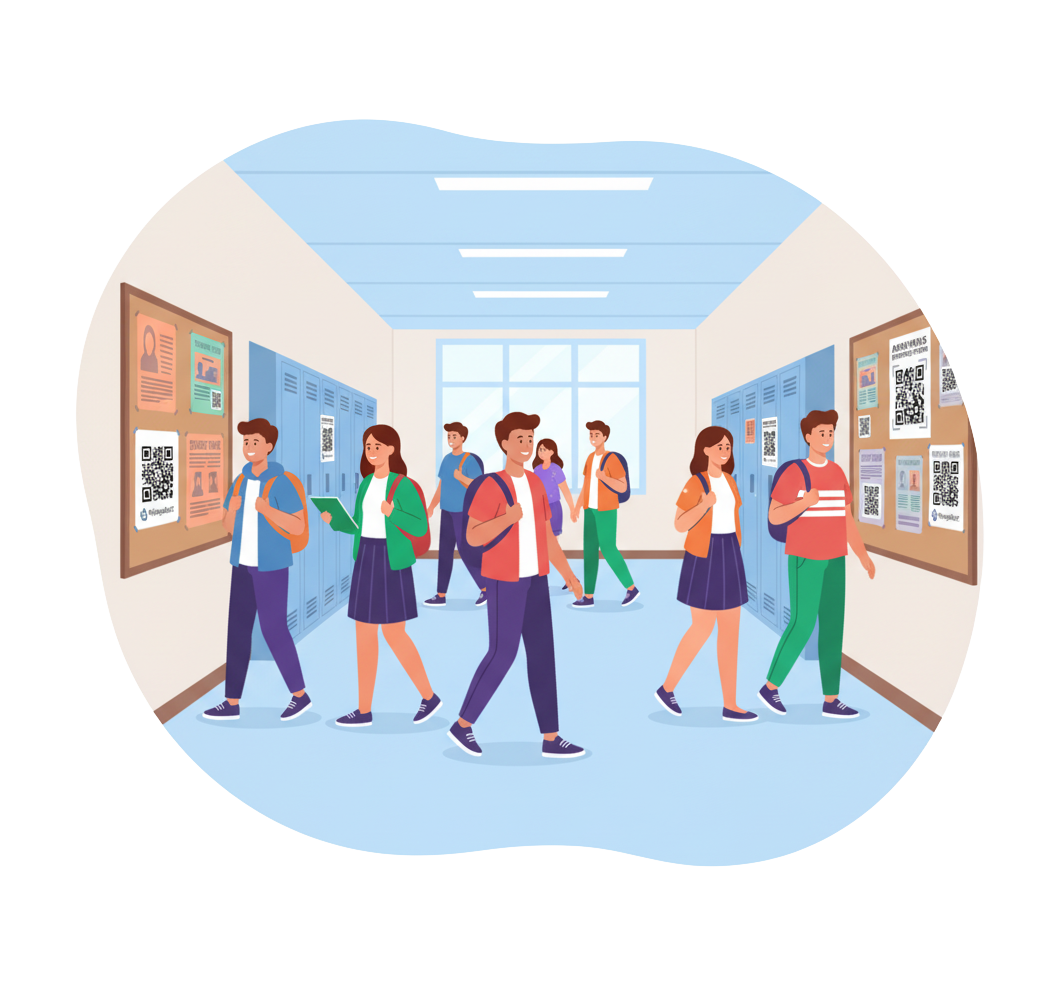
Gone are the days of intimidating trips to the principal's office. With Whispalert's QR code system, students can access reporting forms instantly from their smartphones. QR codes can be placed strategically around the school - in hallways, classrooms, bathrooms, and common areas - making reporting accessible whenever and wherever students need it.
User-Friendly Interface
Our reporting platform is designed to be simple and intuitive. Students don't need special training or technical knowledge to submit a report. The process takes just a few minutes and can be completed from any device with internet access.
Multiple Reporting Categories
Whispalert isn't just for bullying - it covers a wide range of concerns including:
- Physical and verbal bullying
- Cyberbullying and social media harassment
- Mental health concerns
- Substance abuse
- Safety threats
- Discrimination
- Academic dishonesty
This comprehensive approach helps students understand that reporting isn't just about "getting someone in trouble" - it's about creating a safer, more supportive school environment for everyone.

The Impact on School Safety
When schools implement Whispalert, they typically see immediate and significant improvements in reporting rates. But the benefits go far beyond just more reports:
Early Intervention
With increased reporting comes earlier intervention. Problems that might have escalated for weeks or months can now be addressed quickly, before they cause serious harm to students' wellbeing or academic performance.
Better Data for Decision Making
Comprehensive reporting data helps school administrators identify patterns, hotspots, and trends. This information is crucial for making informed decisions about policies, programs, and resource allocation.
Cultural Shift
When reporting becomes normalized and accessible, it creates a cultural shift in the school. Students begin to see speaking up as a positive action that helps create a better environment for everyone, rather than as "snitching."
Improved Student Wellbeing
Students in schools with effective reporting systems report feeling safer and more supported. They know that if they experience problems, there's a safe and effective way to get help.
Real Impact: Schools using Whispalert have reported up to a 300% increase in incident reporting, leading to faster resolution times and improved overall school climate.
Implementation Best Practices
To maximize the effectiveness of Whispalert in increasing reporting rates, schools should consider these best practices:
Strategic QR Code Placement
Place QR codes in locations where students spend time but also have privacy - study areas, library corners, and near guidance counselor offices. Avoid placing them in highly visible areas where students might feel watched while scanning.
Clear Communication
Make sure students understand how the system works, what happens to their reports, and how their anonymity is protected. Regular reminders and education help build trust in the system.
Prompt Response
When students take the brave step of reporting, it's crucial that their reports are handled promptly and effectively. This builds trust and encourages continued use of the system.
Creating a Culture of Safety
Whispalert is more than just a reporting tool - it's a catalyst for creating a culture of safety and support in schools. When students know they can safely report concerns, when administrators have the tools they need to respond effectively, and when the entire school community is engaged in creating a positive environment, everyone benefits.
The ultimate goal isn't just to increase reporting rates, but to create schools where bullying becomes less common because students feel empowered to speak up, problems are addressed quickly, and everyone understands their role in maintaining a safe and supportive environment.
Remember: Every report submitted through Whispalert represents a student who chose to speak up for safety. By making reporting accessible, anonymous, and effective, we empower students to be part of the solution.
Ready to Increase Reporting in Your School?
Join hundreds of schools already using Whispalert to create safer, more supportive environments for their students.
Request a Demo