What to Say to Parents of a Student Accused of Bullying
You have a report on your desk, a few witness statements, and a parent you have to call before the end of the day. Most administrators have been here, and most dread it for the same reason: the first thirty seconds of the call tend to decide whether the next thirty minutes are productive or adversarial. Knowing what to say to parents of a student accused of bullying is less about perfect wording and more about order, tone, and what you choose to leave out.
Here is the short answer. Open by saying you are calling because of a specific concern involving their child, describe the observed behavior in plain, factual terms, and explain what the school is doing about it. Do not call their child a bully, do not share details about other students, and do not ask for a confession on the phone. Invite them to partner with you on what happens next. Everything below expands on that approach.
Why the First Conversation Matters So Much
Parents hearing that their child may have harmed someone experience something close to a threat response. Even parents who suspected a problem often feel judged, embarrassed, or afraid of what the school will do. That emotional wave arrives before any of your facts do. If your opening sounds like a verdict, the parent will spend the rest of the call defending their child instead of listening to you.
The goal of the first contact is not to settle the case. It is to establish three things: you are fair, you are specific, and you want the behavior to stop more than you want anyone punished. Parents who believe those three things are far more likely to talk to their child honestly at home, which is where much of the real change happens.
Key point: Describe behavior, not character. "Several students reported that Maya was excluding a classmate and making comments about her clothes" opens a conversation. "Maya is bullying another girl" starts an argument.
Before You Pick Up the Phone
Preparation does most of the work. A call made in a hurry, with half the facts, usually has to be walked back later, and walking back damages trust.
Know what you actually know
Separate what you have verified from what you have heard. Write two short lists: things you observed or have corroborated by more than one source, and things that are still allegations. Only the first list belongs in your opening description. If the evidence is thin, say so honestly: "We received a report and we are looking into it. I wanted you to hear from us early."
Check your own definitions
Not every unkind moment is bullying, and parents will often push on the word. Review your district's policy language and be ready to explain it simply: bullying generally involves repeated or serious unwanted behavior, with some imbalance of power, that causes harm. If this incident does not meet your policy definition yet still needs a response, you can say that without minimizing it.
Decide who is on the call
One administrator is usually enough for the first call. Save the in-person meeting for when a counselor or teacher who knows the student can join. If the family has had a difficult history with the school, consider having a second adult present as a witness and note-taker for later meetings.
Choose the channel
Use a phone call for the first contact, not email. Text on a screen strips out tone, and a written accusation can be forwarded, screenshotted, and misread. Follow the call with a short written summary so everyone has the same record.
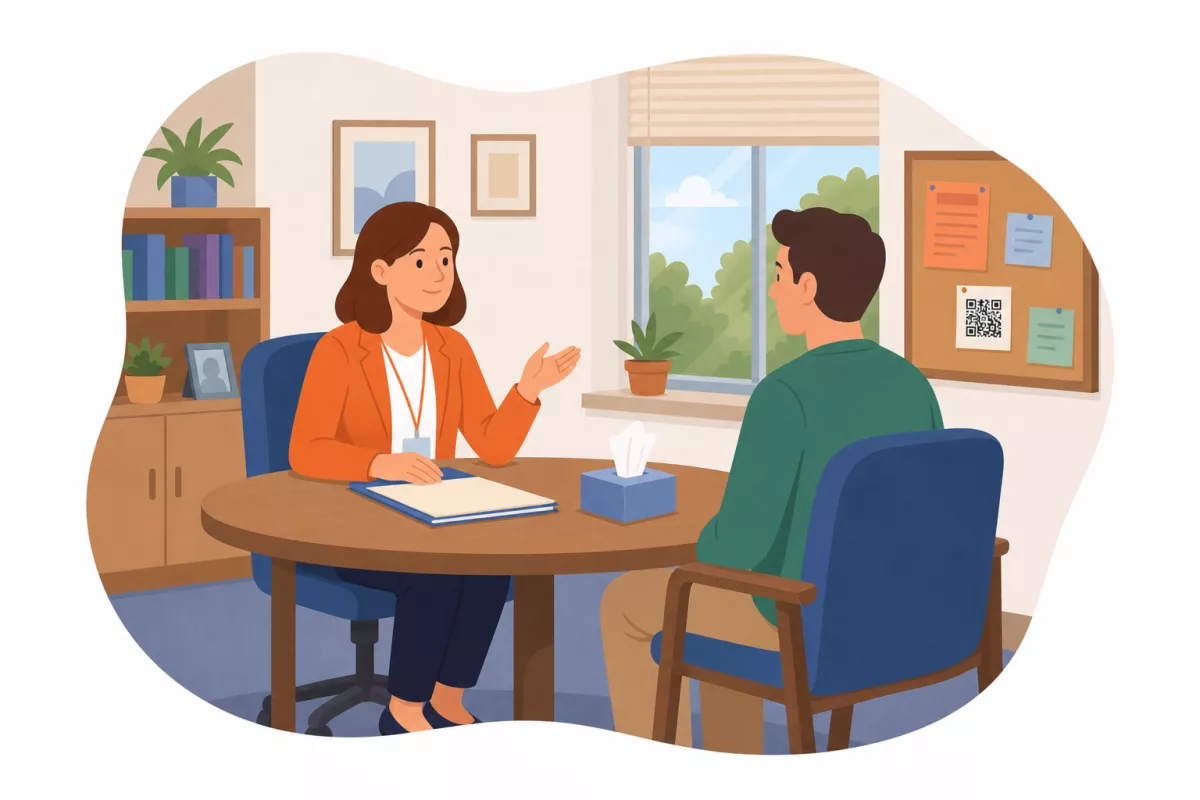
What to Say to Parents of a Student Accused of Bullying: A Step-by-Step Script
You do not need to memorize lines, but having a sequence keeps you steady when the conversation gets emotional. Adapt the wording to your own voice.
1Start with purpose and respect
Say who you are, why you are calling, and that you value their perspective. For example: "Hi, this is Ms. Alvarez at Lincoln Middle. I'm calling because we have a concern involving Jordan that I'd like to share, and I want to hear your thoughts too. Do you have a few minutes?" Asking permission to continue gives the parent a small sense of control, which lowers defensiveness.
2Describe the behavior, briefly and specifically
Share dates, places, and actions. "Over the past two weeks, students have reported that Jordan has been sending mocking messages to a classmate in a group chat, and on Tuesday a teacher saw him blocking the classmate from sitting at a lunch table." Keep it to two or three sentences. A long list of incidents makes parents feel ambushed.
3Be clear about what you are not saying
Parents often hear more than you intend. It helps to name the boundaries out loud: "I'm not calling to label Jordan. I'm calling because this behavior is affecting another student and we need to address it." If the investigation is still open, add: "We're still gathering information, and I'll share what I can as we go."
4Ask, then listen
Ask an open question: "What have you noticed at home?" or "Does any of this surprise you?" Then stop talking. Parents sometimes reveal valuable context, such as a recent family change, a conflict that started outside school, or a child who has been on the receiving end of mistreatment too. You do not have to agree with everything you hear, but you do have to let them finish.
5Explain what happens next
Uncertainty fuels anxiety. Outline the steps: you will talk with the student, you will finish gathering information, you will let the parent know the outcome, and you will work on a plan to prevent a repeat. Give a timeline you can actually keep, such as "I'll call you by Friday afternoon."
6Invite partnership
End with a shared goal: "I think we both want Jordan to be successful here, and that includes treating other students well. What would help you support that at home?" Then confirm the follow-up in writing.
Pro tip: Keep a one-page call note with the date, who was present, what you said, and what the parent said. Stick to quotes and facts. If the situation escalates to a formal meeting or appeal, that record protects the family, the student, and you.
Handling the Reactions You Are Likely to Hear
Even a well-run call can go sideways. Most parent reactions fall into a handful of patterns, and each has a workable response.
"My child would never do that."
This is almost always love, not denial of the facts. Avoid arguing about who the child is. Try: "I know Jordan is a good kid in many ways, and I'm not questioning that. Good kids sometimes do hurtful things, especially in group dynamics. What I'm asking is that we look at what happened together."
"Your school is picking on my child."
Return to specifics and process. "I understand it feels that way. Here is how we gather information: we talk to multiple students and look at what staff observed. I'd like to share what we found so you can see the basis for it." Offering transparency, within privacy limits, is the best antidote to feeling targeted.
"They started it."
Sometimes this is true. Bullying situations are often messier than a clean victim and aggressor story, and some students have been both. Take it seriously: "That's important, and I want to look into it. Even if someone else was unkind first, the response still needs to meet our expectations. We'll address both."
Anger or threats
If a parent becomes abusive, set a calm limit: "I want to keep working on this with you, and I can't do that if we're shouting. Let's pause and pick this up tomorrow, or I can set up a meeting with another administrator present." Ending a call is acceptable. Document it afterward.
Silence or minimal engagement
Some parents say little because they are overwhelmed, ashamed, or unsure how the school system works. Do not read quiet as agreement. Send the written summary, offer a translator if needed, and make it easy to reach you by whatever method works for them.
Protecting Privacy and Staying Fair to Everyone
Two privacy rules apply in nearly every case. First, never share the identity of the reporting student or the details of another child's discipline, health, or family situation. You can say that "a student was affected" and describe the school's response to that student in general terms, such as "we are making sure that student feels safe." Second, avoid naming who reported the behavior, even if the parent guesses. Confirming it can expose the reporter to retaliation and discourage others from speaking up.
Fairness also means not prejudging. Reports can be incomplete, exaggerated, or occasionally mistaken. Anonymous channels, including tools like WhispAlert where students can report through QR codes posted around campus, can surface concerns that might otherwise stay hidden. But a report is a starting point for inquiry, not proof. Verify before you act, and tell parents that you do.
Match the response to the behavior
Parents will ask what the consequence is. Where policy allows, favor responses that repair harm and build skills alongside any discipline: a restorative conversation if the harmed student is willing, an apology that is sincere rather than forced, a check-in schedule with a counselor, and clear expectations about contact. Punishment alone tends to teach concealment. Accountability paired with support is more likely to change behavior.
After the Conversation: Follow Through
The call is only the opening move. What families remember most is whether you did what you said you would do.
- Send a written recap within a day, covering what was discussed, what the school will do, and when you will be in touch.
- Meet the student with a counselor or trusted adult. Aim to understand motivation: Is it social status, retaliation, a skills gap, stress at home? The answer shapes the plan.
- Build a short plan with specific behaviors, adult check-ins, and a review date, usually two to four weeks out.
- Monitor quietly. Ask teachers and supervisors to watch for repeat behavior without singling the student out in front of peers.
- Close the loop. Tell the parent how things are going, including good news. Many parents only hear from the school when something goes wrong, and a positive update builds credibility.
Look across incidents, too. If the same location, time of day, or group keeps showing up, the issue may be a supervision gap or a norm in the school culture rather than one student's choices. Reviewing report patterns over time, whether from your own logs or a monthly summary in a platform like WhispAlert, helps you address root causes instead of only individual cases.
Take care of yourself, too
These conversations are draining, and the hardest ones tend to land on the same few people. Debrief with a colleague, keep your notes organized, and know your district's escalation path before you need it. A steady administrator is the most useful thing a distressed family can encounter.
Quick checklist before you call:
- I can separate verified facts from allegations
- I have reviewed the policy definition of bullying
- I have two or three specific, behavior-based sentences ready
- I will not name the reporter or share other students' information
- I have a clear next step and a timeline I can keep
- I will send a written recap within 24 hours
- I have a plan for support, not only consequences
Related articles

Ready to Make Your School Safer?
Join hundreds of schools already using Whispalert to create safer, more supportive learning environments.
Get Started Today